

As Communities Reject AI Data Centers, Regenerative Infrastructure Holdings Introduces a Model Built to Strengthen Them
Founder Katie Hilborn’s company builds Regenerative Intelligence Infrastructure®️—AI data centers that strengthen energy, water, ecology, and communities.
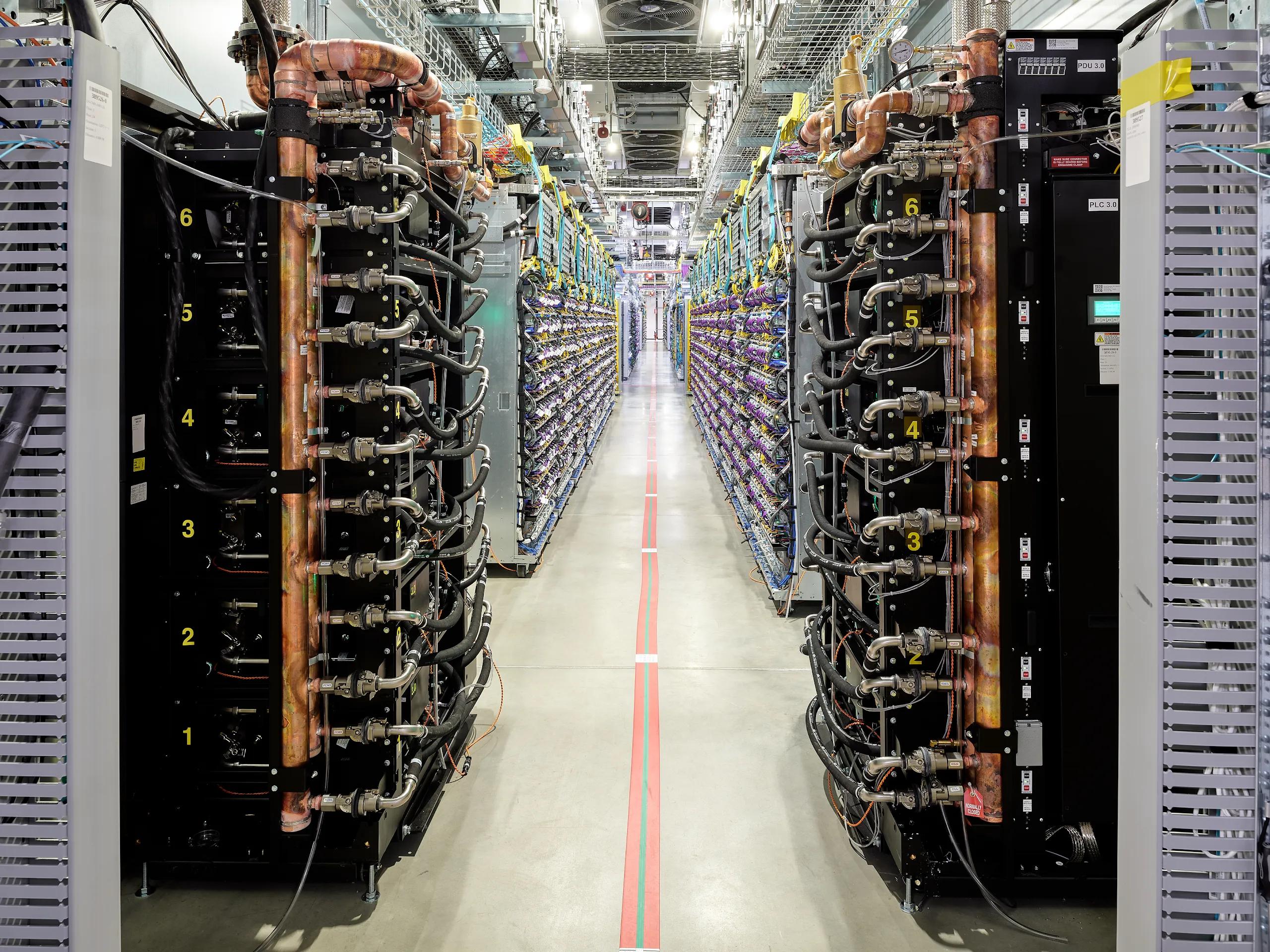
DALLAS, TX, UNITED STATES, June 23, 2026 /EINPresswire.com/ -- Across the United States, communities are turning against the infrastructure being built to power artificial intelligence. A March 2026 Gallup poll found that 71% of Americans oppose AI data centers in their local area — a higher disapproval rate than for nuclear plants. The backlash is accelerating. In the first quarter of 2026 alone, local protests and regulations blocked or delayed at least 75 U.S. data center projects worth an estimated $130 billion — the highest rate of canceled and postponed capacity on record, according to Data Center Watch. More than 200 state bills to regulate the sector were introduced in 2025, 40 of them now law. The current data center model is extractive to the communities it lands in. Regenerative Infrastructure Holdings (RIH) is building an alternative designed to reverse the equation — AI data centers engineered to strengthen the systems and communities around them rather than deplete them.The company, co-founded by humanitarian and Impact Architect Katie Hilborn, calls the category Regenerative Intelligence Infrastructure®, and the facility class within it the Regenerative AI Data Center. Hilborn laid out the thesis on the EarthX stage in April 2026 — the world's largest environmental gathering, where the Rotary Stage was live-streamed to more than 200 countries. Her argument: the conditions of creation shape what is created. When the energy, governance, and economics surrounding AI are extractive, the intelligence formed within them compounds extraction. When those conditions are coherent, it compounds coherence.
The current model strains the places it lands. Communities host the land use, grid demand, water draw, and noise pollution, while the economic value is captured elsewhere, putting local resources at risk. The result is a widening loss of what RIH calls a social license to operate — the informal consent of the people who live with the consequences. As that consent erodes, projects stall, costs rise, and trust collapses. There is no exchange of local resources for a public good.
Regenerative Infrastructure Holdings builds to a higher standard, treating the data center as an instrument of public good from the start: energy that increases the ecological capacity of the place it draws from; revenue that circulates through a community trust before it distributes outward; real ownership and governance held by local and national stakeholders; and a built environment engineered to protect the health and clarity of the people around it.
RIH applies this standard directly in its business model — by developing its own sites, and by partnering with communities and existing data center ventures that want to build, or rebuild, to the same standard. The model is designed to travel. A town weighing a data center project can use it to deliver infrastructure that a community has reason to welcome.
The economics make the case. In the standard AI data center model, a single megawatt of renewable power generates an estimated $1.5–2 million a year in compute revenue — four to six times what the same electricity earns sold to the grid. RIH's difference is where that value goes. Where conventional builds send it out of the region, RIH routes a share through Community and Land Trusts that reinvest in local workforce, enterprise, and ecological systems — compounding capacity in the place that hosts the infrastructure rather than draining it.
"Most AI infrastructure is being built inside extractive conditions, and that incoherence becomes part of the intelligence it forms," said Hilborn. "We design the conditions intelligence learns from. The communities that host this infrastructure should be stronger for it — not paying the bill while the value leaves."
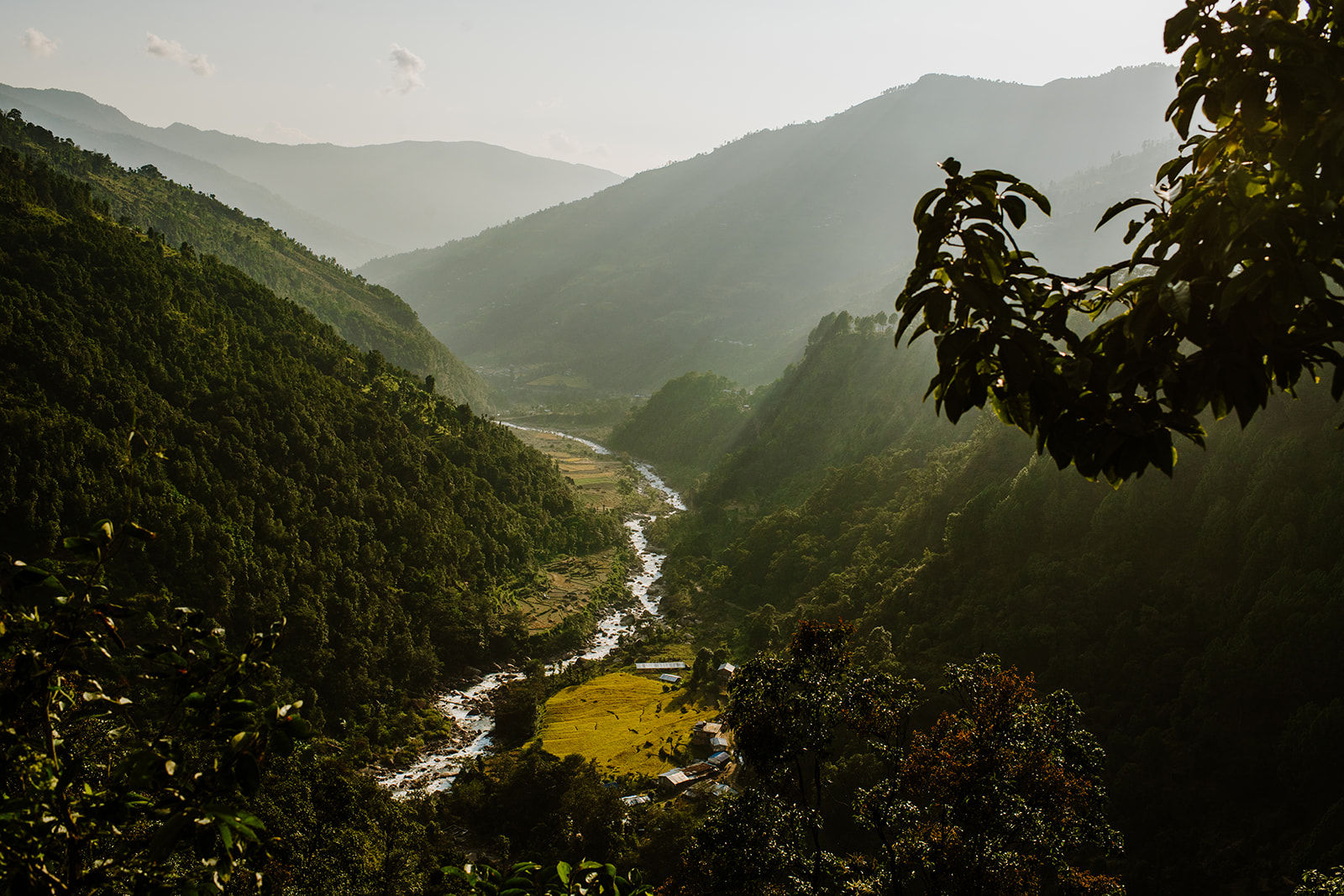
RIH's first site is in development in Nepal, with additional projects in discussion in the United States and Africa. The Nepal site is a Regenerative AI Data Center and training center powered by run-of-river hydropower on a fully renewable national grid, built through a joint venture with the country's own power producers. Between 2% and 5% of gross revenue flows to a community trust as first priority before distribution. Waste heat returns to the local enterprise, and compute capacity remains partly sovereign to the nation that hosts it. Each site is engineered to leave the place more capable than RIH found it.
Hilborn's path to infrastructure began in humanitarian work, sustainable development, and social enterprise. Over nearly two decades in the field, much of it in Nepal, she observed that systems which do not circulate their own value cannot sustain themselves — a principle that became the architecture behind RIH.
"The future of intelligence will be shaped by the conditions we build now," said Hilborn. "We are building those conditions."
----------------------------------------------------------
About Regenerative Infrastructure Holdings
RIH builds Regenerative Intelligence Infrastructure® — regenerative AI data centers and training centers, and the ecosystems they live inside. Each one leaves its place more capable than we found it: energy, community, ecology, and governance in Right Relationship. The conditions of creation shape what is created. We build the conditions.
About EarthX
EarthX is an international environmental nonprofit and a member of the IUCN. Its annual Congress of Conferences in Dallas connects a global community around solutions for a sustainable future.
RIH Team
Regenerative Infrastructure Holdings
email us here
Visit us on social media:
LinkedIn
Legal Disclaimer:
EIN Presswire provides this news content "as is" without warranty of any kind. We do not accept any responsibility or liability for the accuracy, content, images, videos, licenses, completeness, legality, or reliability of the information contained in this article. If you have any complaints or copyright issues related to this article, kindly contact the author above.
