AGP Executive Report
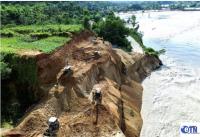
Last update: 7 hours agoAgribusiness: Engineer Kumar Lamichhane’s Kathmandu dairy produces about 1,200 litres of milk a day and reports monthly profits of Rs1.5 million. It supplies the Dairy Development Corporation and private dairies, while providing local jobs. Energy: The Kaligandaki Corridor transmission line has resumed operation using emergency towers after a 21-day outage. Nepal Electricity Authority’s restructuring into three companies is also nearing completion, while the government has opened cross-border power trading to private firms. Infrastructure: Rebuilding the flood-damaged Beni–Jomsom–Korala road is estimated to cost Rs3–4 billion, highlighting the scale of recovery needs.
Note: AI summary from news headlines; neutral sources weighted more to help reduce bias in the result. Feedback is welcome. Please let us know if you have any comments or suggestions about the AGP Executive Report.
 Perspectify News